Manchester Music Festival
PROBLEM
STRATEGY
INSIGHTS
ACTIONS
Click to view
Brand Strategy, Rebrand, Creative Direction | Arts & Culture
Manchester Music Festival came to us at a moment of evolution. While the festival was already beloved and deeply rooted in Manchester, its brand no longer fully reflected the caliber, energy, and distinctiveness of the experience it offered. The challenge was to reposition from a traditional regional chamber music festival into a premier cultural destination—one that could honor its loyal audience and artistic credibility while feeling more welcoming, dynamic, and relevant to new generations of music lovers. The existing perception risked feeling too formal, familiar, or niche, when the true experience was intimate, electric, world-class, and unmistakably tied to the beauty and spirit of Manchester, Vermont.
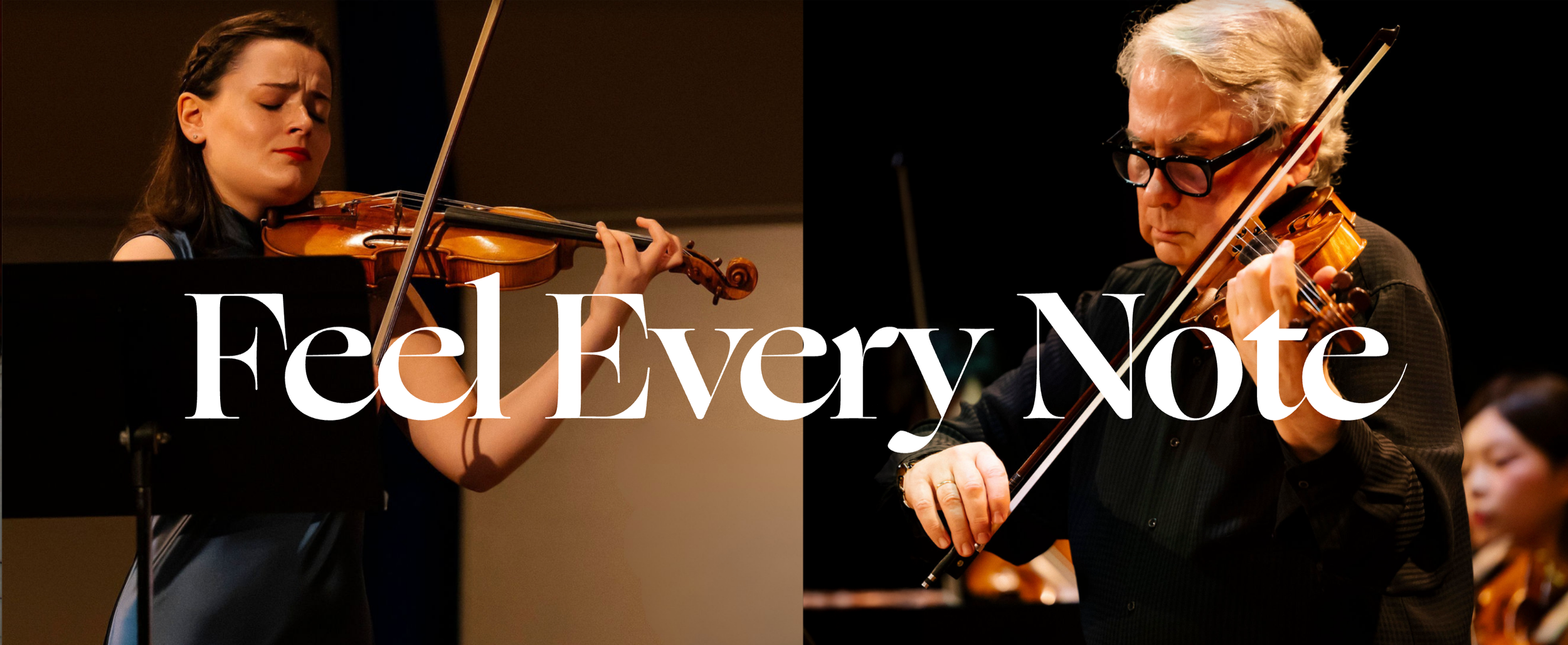
We began by interviewing members of the board and select members of the community to understand what people loved about Manchester Music Festival, what still felt essential, and where the brand was starting to feel stale or undersized. Through those conversations, we heard a clear pattern: the festival’s true magic was not just the caliber of the music, but the rare combination of world-class artistry, intimate access, emotional immediacy, and a setting that feels unmistakably tied to Manchester, Vermont. Those learnings shaped a strategy that reframed Manchester Music Festival not as a formal concert series, but as a world-class festival experience that is relaxed, joyful, welcoming, and deeply felt. The direction emphasized showing—not just saying—its excellence through bolder visuals, richer storytelling, stronger photography and video, and messaging rooted in awe, connection, discovery, and the rare closeness between musicians and audience
Manchester Music Festival’s intimacy is one of its greatest assets; the small scale creates an unusually close, powerful connection between artists and audiences.
The quality of the festival was higher than many people realized, creating an opportunity to elevate the brand so it better matched the caliber of the experience.
Classical music still carried perceptions of elitism or inaccessibility, so the brand needed to feel more welcoming, relaxed, and emotionally resonant without losing credibility.
The festival’s Vermont setting was central to its appeal, but it needed to be expressed in a way that felt sophisticated and specific rather than quaint or cliché.
There were clear opportunities to use existing assets, stories, partnerships, and gateway events to make the festival feel more discoverable, social, and culturally magnetic.
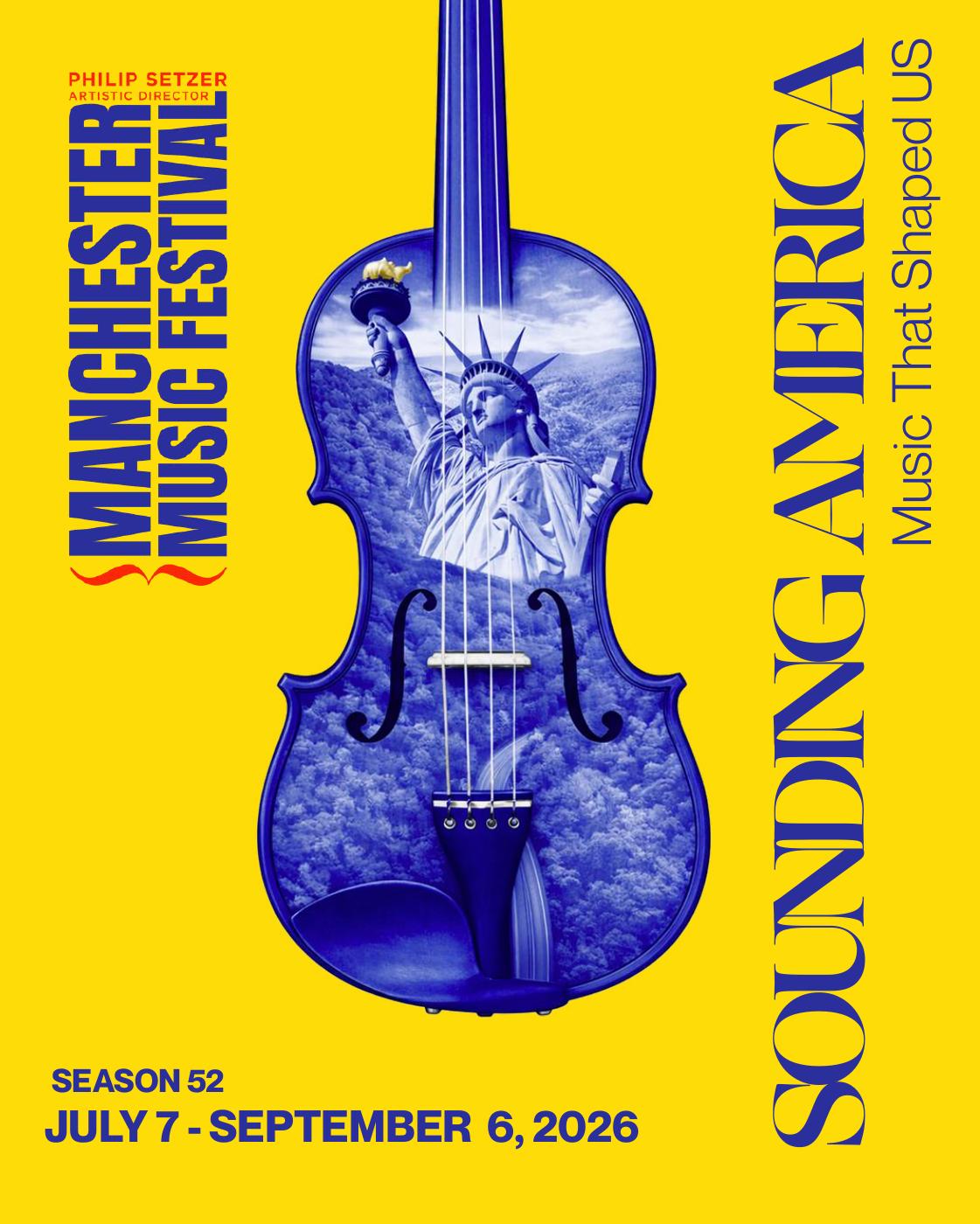
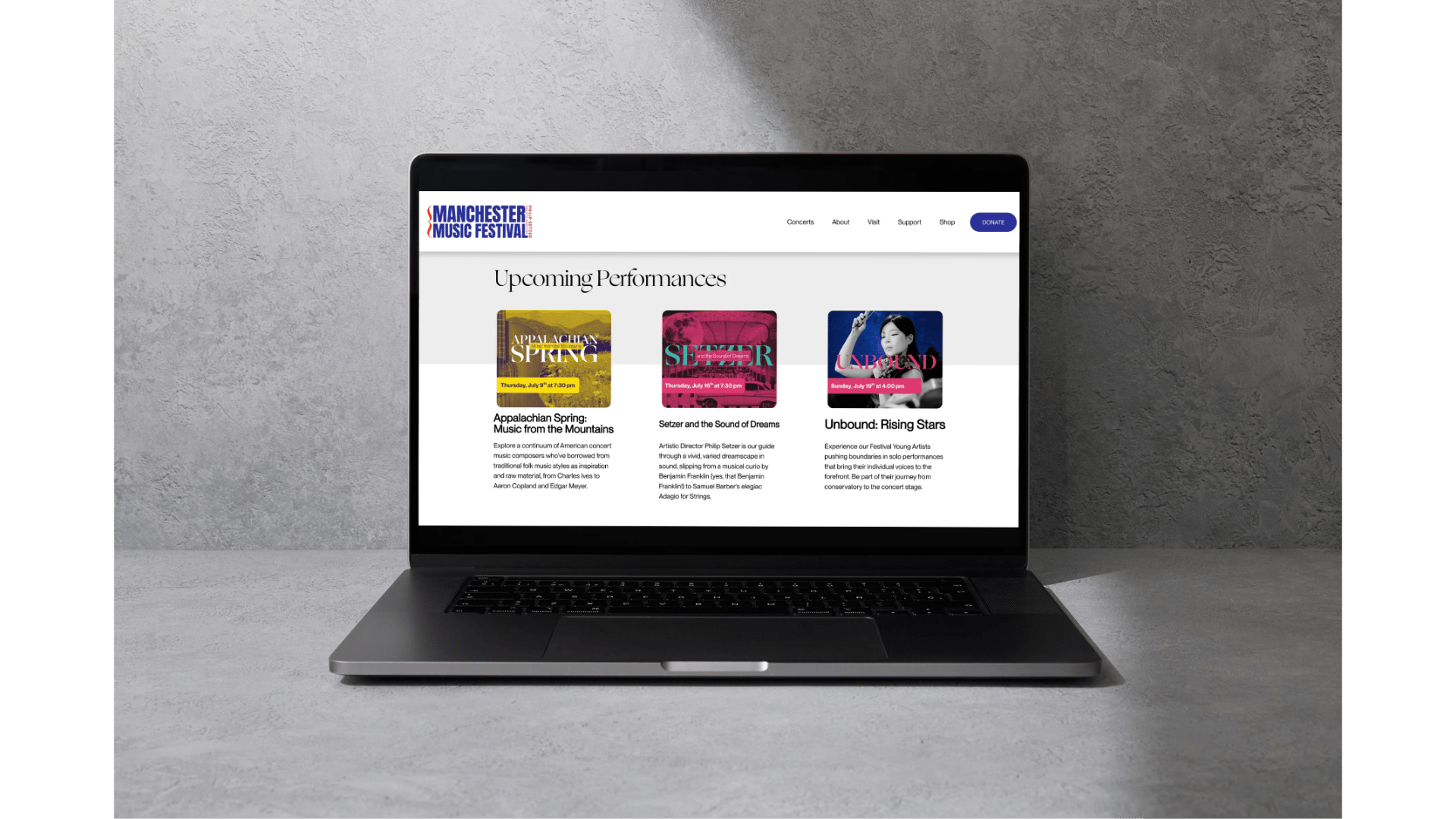
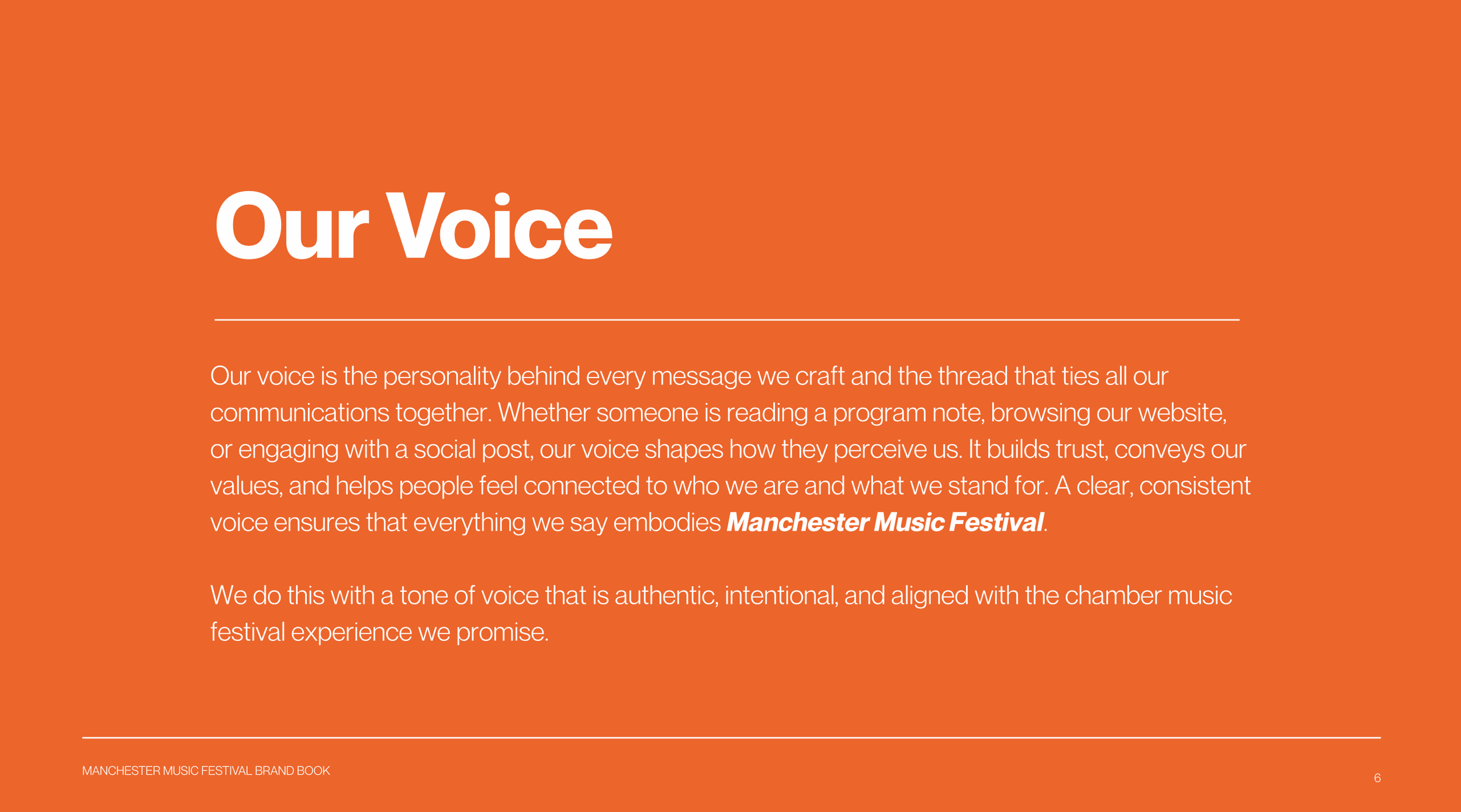
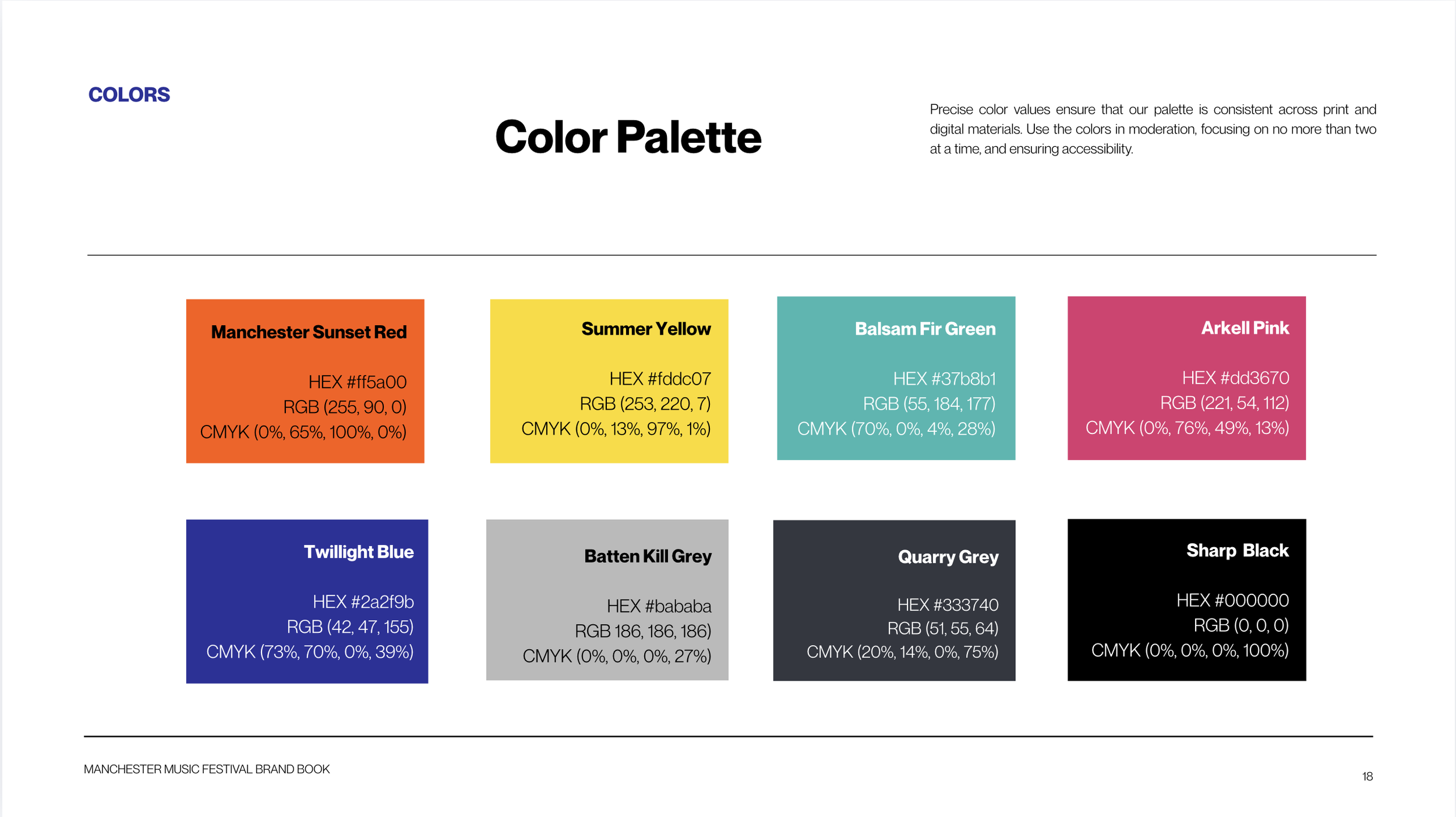
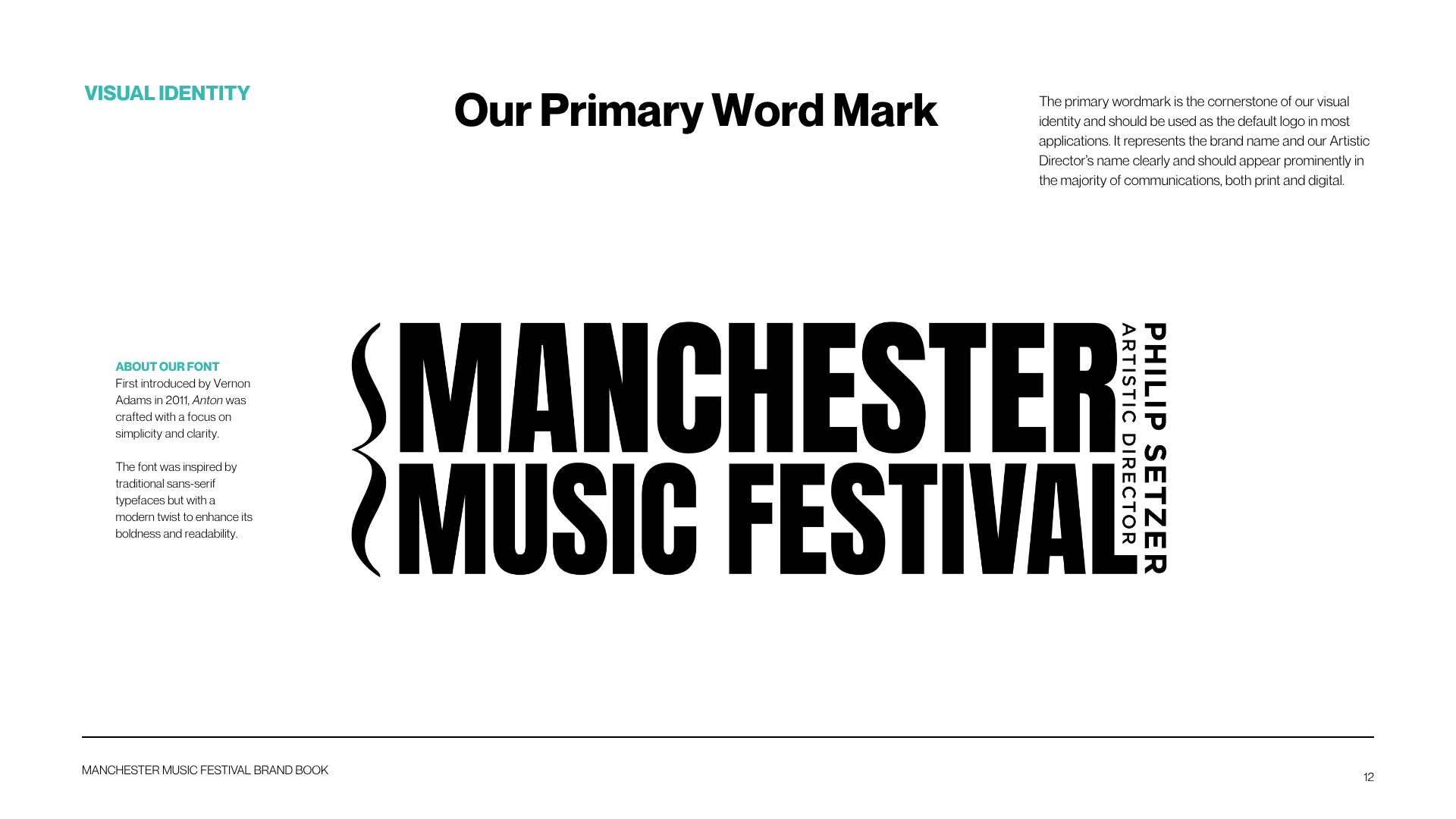
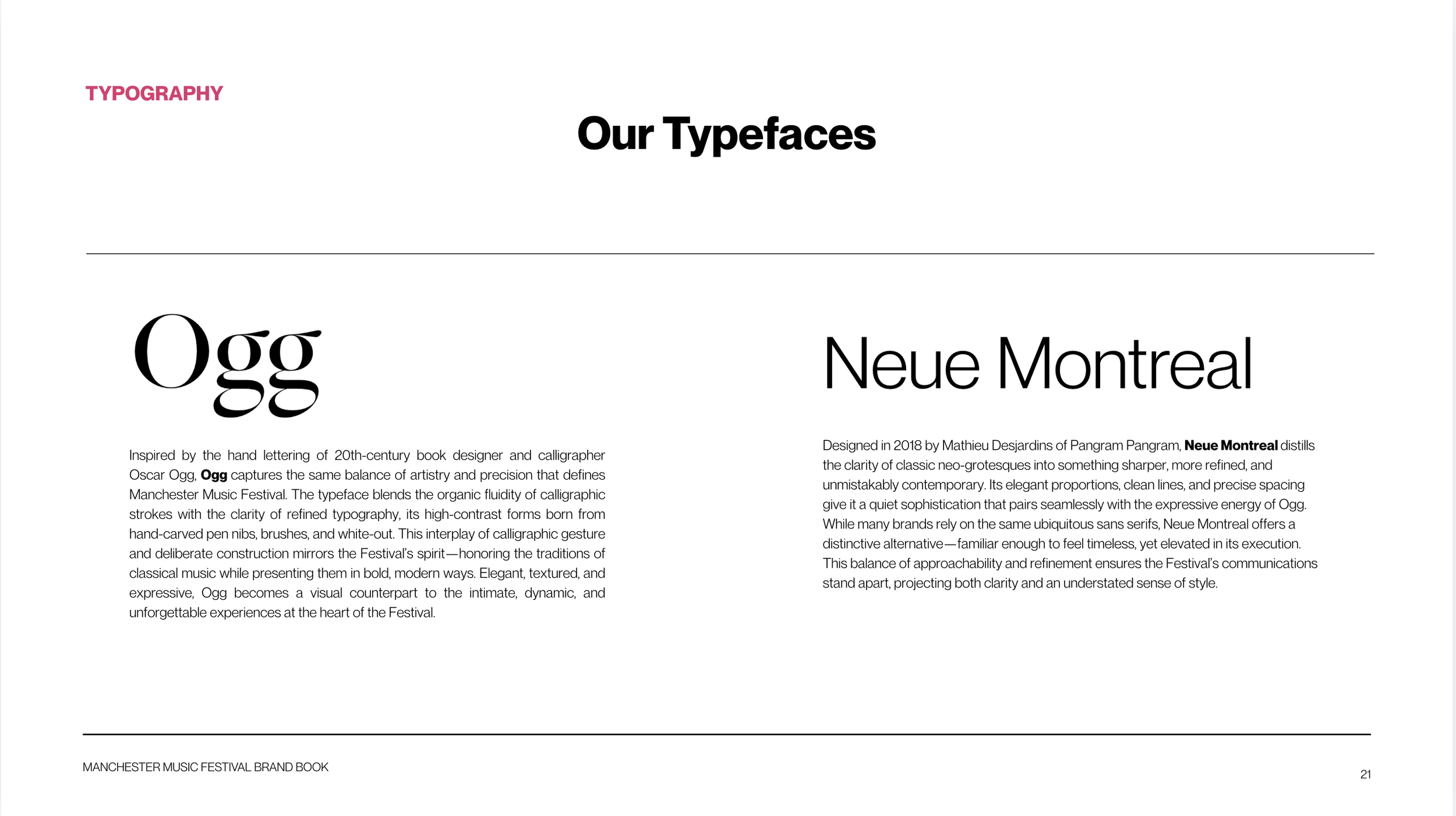
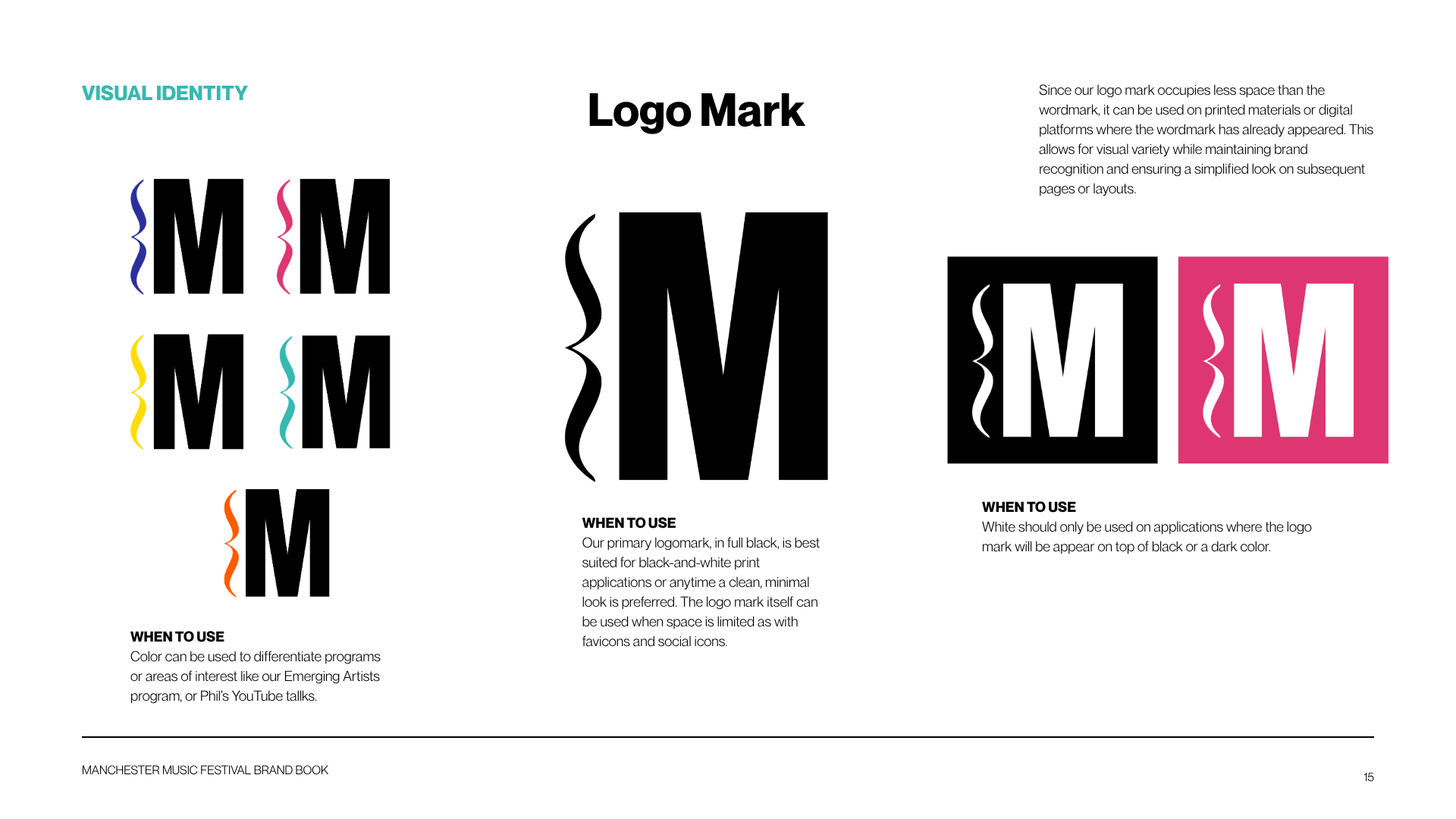
Double Hi developed a bold visual direction designed to help Manchester Music Festival stand out in a crowded local cultural landscape and feel more immediately magnetic to audiences of all ages. We were inspired by the way Paula Scher’s work helped transform The Public Theater in New York from an institution that could be perceived as formal, exclusive, or culturally niche into something bold, democratic, and magnetic to people across ages and backgrounds. From there, we worked closely with a board committee to refine the direction and build a brand the organization could feel proud to share. We then created a comprehensive brand book outlining the new visual system, including typography, color, graphic style, usage guidelines, and overall creative direction. Once the identity was established, we moved into the website, where the priority was creating a simple, intuitive user experience that made the season easy to understand and navigate—especially for older users, who remain a core audience. From there, we extended the brand across Manchester Music Festival’s 2026 print and digital materials, including brochures, invitations, program books, and other key communications.
Click to view
“Double Hi helped us see the Manchester Music Festival through a new lens. Their branding work did not just refine how we look, it reshaped how we communicate our purpose, our artistry, and our place in the cultural landscape while serving both strategy and storytelling. They brought classical music, often perceived as old-fashioned and not for today’s world, into the present with an energy that is creating raving fans.”